We all carry an invisible parenting manual—one that was written long before we ever had kids of our own. It’s made up of the voices we heard growing up. The standards we were held to. The rules we didn’t get to question. And it shows up in our parenting… especially in the moments we swore we’d do things differently.
We don’t parent in a vacuum. We parent with the echoes of our own childhood shaping every reaction, every word, every raised eyebrow.
Rage doesn’t just appear out of nowhere. It has roots. And until you know where yours is coming from, you’ll stay stuck in the same cycle—trying harder, feeling guilty, and wondering why you can’t just “control yourself.”
In our culture, certain emotions have been stamped with a label: bad. Anger often sits at the top of that list. From childhood, many of us were told to “calm down,” “stop being dramatic,” or simply punished for expressing anger. Without words, we absorbed the belief that anger is dangerous, shameful, or wrong.
For generations, discipline has been equated with punishment. We’ve been told that to raise “good kids,” we need to control, correct, and coerce. But what many of us learned the hard way is this: punishment may stop the behavior in the moment, but it comes at a cost—distance.
Some people see a calm parent in a heated moment and think, “They’re letting their kid walk all over them.” But here’s the truth — calm is not a lack of power. It’s the mastery of it. When your child pushes back, screams, or tests every limit you’ve set, your body wants to match their intensity. Your nervous system is…
The type of leader we want to be is the type that doesn’t yell doesn’t bribe and doesn’t punish. Instead... It anchors. It holds. It regulates the room. That’s what conscious parenting demands of us. Not to be reactive thermometers—rising and falling with our child’s emotions—but to become thermostats: setting the emotional temperature through the safety and steadiness of our…
For many of us, the hardest part of healing isn’t facing what happened. It’s facing what happened without feeling like we are turning on the people we love. Especially if our parents were loving. Present. Still in our lives. It can feel disrespectful or dishonoring to name our pain we felt. We may feel the need to make excuses because,…
We all want our children to feel safe, seen, and unconditionally loved. But here’s what most people don’t realize: Secure attachment isn’t just about hugs and bedtime stories—it’s about how your child feels in your presence. It’s the internal sense that says, “Even when I mess up… you won’t shame me. Even when I’m upset… you won’t leave me. Even…
What if your child’s inner voice is being shaped right now—by the way they hear you speak to them today? It’s a humbling thought. And a powerful one. Our words don’t just correct or guide. Our tone doesn’t just convey emotion in the moment. Our actions—especially in the heat of stress—are building something lasting: A belief system. A way of…
We’ve normalized fear in parenting. Fear of “raising a brat.” Fear of “being too soft.” Fear that if we don’t yell, punish, or threaten—we’ll lose control. Fear that our kids will grow up disrespectful, entitled, or out of touch with reality. But here’s the truth: Fear might get quick compliance… but it always costs connection.
There’s a moment all parents face— When your child pushes a limit, breaks a rule, or explodes emotionally… and you feel that familiar pull toward punishment. “Take it away.” “Go to your room.” “No more privileges.”
As adults—and especially as parents—those old lessons come back to haunt us. We try so hard to stay patient and composed with our kids, but underneath? Our bodies are tight with tension. Our chests are pounding. Our voices are sweet but our insides are screaming.
For far too long, discipline has been defined by control. By raised voices. By hands that stung. By disconnection that left wounds deeper than anyone could see. We have been told that children needed to hurt in order to learn. That a swat on the bottom would “teach them a lesson.” That without punishment, they’d turn out spoiled, disrespectful, and…
You’re not just managing behavior or surviving the chaos of daily life. You’re breaking patterns. You’re rewiring your brain and changing reactions to thoughtful responses. You’re standing in the middle of a battlefield most people never even see — and choosing connection instead of control.
We have all had moments where something sets us off and the parent we act like isn't the parent we want to be. When you have those moments, just remember... Rage isn't who you are—it's just what your nervous system learned to do It’s always the moment you least expect. You’re fine. Holding it together. Doing your best to keep…
You can explain emotional regulation. You can talk about big feelings. You can even give your child all the right words for what they’re experiencing. But if you want to truly teach emotional intelligence? You have to live it. That’s the hard part. Because it means letting your child see you in the moments you used to hide. It means…
Sometimes it takes more than a few deep breaths. Sometimes you’re mid-meltdown—maybe your child’s, maybe your own. You offer a deep breath, a stuffed animal, maybe a reminder to count to ten. But nothing’s working. Not for them. And honestly? Not for you either. It’s in these moments that many parents feel helpless or defeated. We know we want to…
There is a kind of safety that goes deeper than rules and routines. It’s the safety of being known. Of being loved without needing to earn it. Of being accepted in both your big emotions and your quiet moments. That’s what secure attachment is all about. And you don’t need to be a perfect parent to create it. You just…
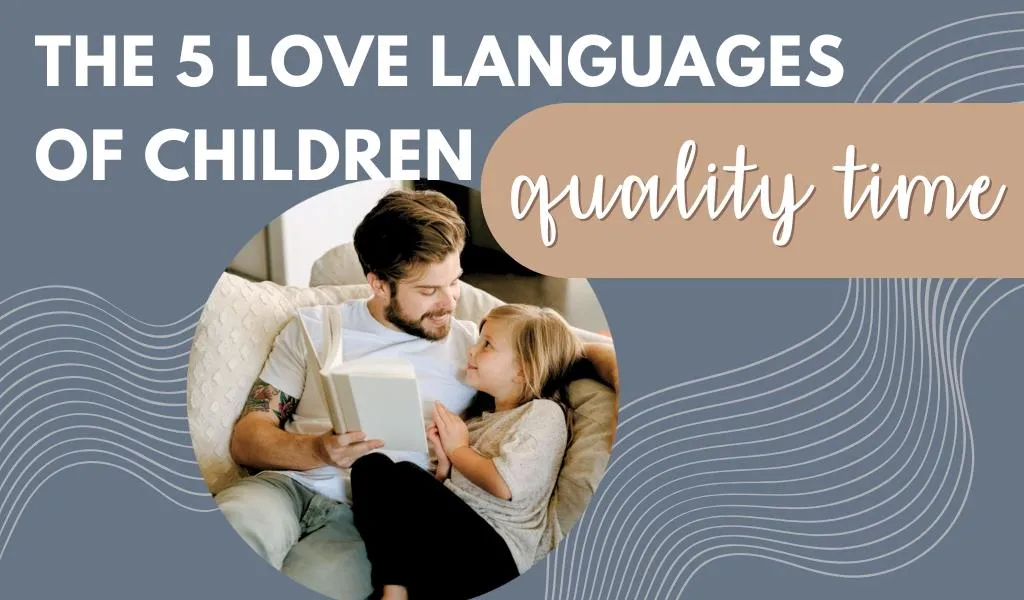
Every child longs to feel loved, but did you know that the way they receive love might be completely different from the way you naturally express it? For some children, gifts mean the world. Others feel loved through hugs, words of encouragement, or acts of service. But for a child whose primary love language is Quality Time, nothing matters more…
If discipline feels heavy, disconnected, or full of guilt, you’re not alone. You may have always believed that discipline meant punishment, control, and compliance—not connection, joy, or play. So when we try to do things differently as parents, it’s easy to feel like we're not doing ENOUGH.
Your child is mid-meltdown. Their emotions are spiraling, tears are flowing, and frustration is turning into full-on overwhelm. What’s your first instinct?
📖 The 5 Love Languages of Children: Words of Affirmation Does your child feel loved in the ways you express love? You might think the hugs, bedtime cuddles, or acts of service you do every day are enough to make your child feel secure—but what if their love language is different?
You’re Not a Bad Parent—Your Nervous System Is Just Overwhelmed You start the day with the best intentions: Today, I will stay calm. I will not yell. I will be patient.
I thought I was doing something good—something helpful. I thought if I sent my child to sit alone and “think about what they’d done,” they’d come back calmer, more reflective, and more respectful.
We love to talk about parenting hacks—snack hacks, sleep hacks, screen-time hacks. But there’s one “hack” that actually transforms everything beneath the surface.